Trusted by visionaries, embraced by leading companies worldwide






Our Approach to System Integration
At KM Soft, we believe integration should do more than make systems communicate. It should make the business operate better.
We start by understanding how your systems, teams, data, and workflows work today. From there, we identify where information gets trapped, where people repeat manual work, and where disconnected tools create operational friction.
We then design an integration architecture that connects the right systems in the right way — using APIs, webhooks, middleware, automation, data synchronization, and custom integration services where needed.
The result is a connected technology ecosystem that is easier to operate today and easier to extend tomorrow. We don't integrate systems for the sake of integration. We connect technology around the way your business actually works.
Our System Integration Services
From individual application integrations to connected business ecosystems, we design and build integration solutions around your workflows, systems, and growth plans.

API Integration
Connect your applications and platforms through secure, reliable APIs so data and functionality can move between systems without unnecessary manual intervention.

Business Application Integration
Connect the systems your teams depend on — including CRM, ERP, accounting, ecommerce, support, marketing, HR, and internal business applications.
Data Synchronization
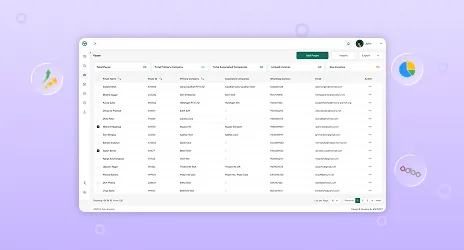
Keep information consistent across applications and databases with reliable synchronization strategies designed around your business rules and data requirements.
Workflow & Process Integration
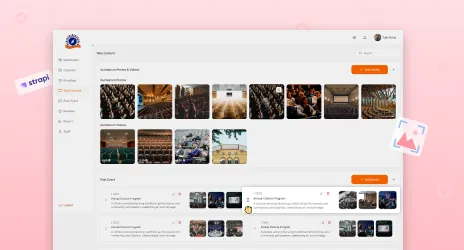
Connect systems around real business processes so that actions in one application can automatically trigger the next step elsewhere.
Third-Party & SaaS Integration
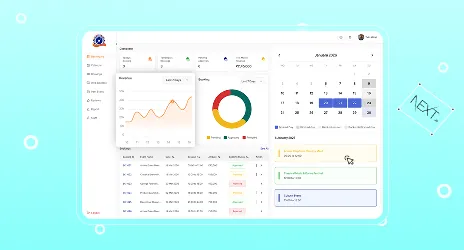
Connect cloud platforms and third-party services with your existing applications to extend functionality without replacing systems that already work for your business.
Custom Integration Solutions
When off-the-shelf connectors are not enough, we design custom integration services around your systems, data structures, business rules, and operational requirements.
Problems We Solve with System Integration
Disconnected systems create hidden operational costs. We help turn fragmented technology into connected workflows.

Disconnected Systems
Your applications work independently, forcing teams to move information manually between platforms.

Manual Data Entry
Employees repeatedly copy and update information across systems, increasing effort and the risk of human error.

Inconsistent Data
Different systems contain different versions of the same information, making reporting and decision-making harder.

Broken Workflows
A process may begin in one application but require manual intervention before the next system can take over.

Legacy & Modern Systems
Older business systems still contain valuable data and processes but need to work with newer cloud applications and digital platforms.

Growing Integration Complexity
As more applications are added, point-to-point connections become difficult to maintain, monitor, and scale.
Our System Integration Process
We connect systems through a structured process that balances business goals, technical requirements, reliability, and long-term maintainability.
Discover & Map
We understand your existing applications, workflows, data sources, dependencies, pain points, and business objectives.
Architect the Integration
We define how your systems should communicate and choose the appropriate integration approach for reliability, security, scalability, and maintainability.
Build & Connect
We implement the integrations, connect APIs and services, map data, build transformations, and establish the workflows required for your systems to work together.
Test, Monitor & Optimize
We validate data accuracy, failure scenarios, performance, security, and workflow behavior before deployment — then improve monitoring and reliability in production.
Integration Built for the Way Your Systems Work
Every business ecosystem is different. We choose the integration architecture based on the systems involved, data requirements, workflow complexity, and expected scale.
REST & GraphQL APIs
Flexible, secure, and standardized interfaces for clean data exchange across modern and custom platforms.
Webhooks & Event Streams
Instant event notification mechanisms so system updates propagate immediately without wasteful polling.
OAuth & Authentication
Robust token management, role-based access control, payload encryption, and secure API gateways.
Message Queues & Event Architecture
Asynchronous queueing (RabbitMQ/Redis) ensuring zero data loss and automated retries if a target system goes offline.
Custom Middleware & Adapters
Schema translation, business rule mapping, and data normalization bridging legacy tools with modern SaaS apps.
ETL & Data Pipelines
Automated extraction and consolidation of operational data into centralized data warehouses for executive reporting.
Third-Party SaaS & AI Integration
Connecting payment gateways, CRMs, marketing platforms, and LLM APIs directly into your operational stack.
Database & Legacy Connectivity
Connecting legacy SQL/desktop backends to cloud web portals and mobile applications without replacing core systems.
Connect the Tools Behind Your Business
Practical, real-world examples illustrating how KM Soft connects disparate business tools to remove operational friction and establish unified data flows.
Sales & CRM Pipeline Integration
Automatically route leads to the right sales workflow and notify the appropriate team to speed up response times.
Ecommerce & ERP Order Fulfillment
Automatically sync orders, inventory, and fulfillment data between your storefront and ERP systems without manual oversight.
Operations & Executive Reporting Dashboard
Consolidate fragmented data from disparate platforms into a centralized analytics store for unified business intelligence.
Customer Experience & Omnichannel Support
Connect client-facing applications with backend data to give support agents full history and visibility during customer interactions.
Automated Financial Reconciliation
Stream financial transactions directly into accounting software, automatically matching payments and logging exceptions for finance teams.
AI-Driven Document Processing & Workflow
Use AI to extract metadata from inbound documents, route approvals through workflow engines, and update downstream systems automatically.
Our System Integration Work
Explore how we connect technology, simplify workflows, and build digital systems that work better together.


Halo Parent
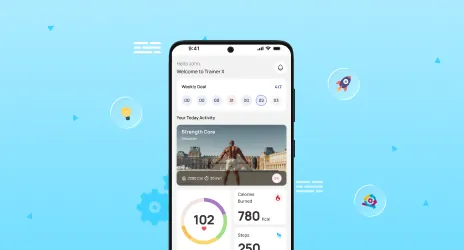
Trusted community portal integrated with school notification engines.

What Our Clients Say
“Great experience with the team. They were professional, communicated well and completed the job exactly how I wanted.”


“Kmsoft is great in unerstanding the idea and project requirement and detail the technical flow. Kmsoft is proactive and helpful.”

“Kmsoft has good knowledge and completed the work on time.”

“Kmsoft did an excellent job! They provided timely updates and communicated regularly about requirement questions and concerns. Not only that but they fixed issues that were not part of the requirement. I'd definitely rehire kmsoft for my future projects.”

“This project involved modifying an old IOS application written in objective-c. We rewrote most of it and revised the game design. The project was completed in the timeline that I expected and the application works without any flaws. The finished design very solid. I worked with the most experienced person in the company and benefitted by a great deal of expertise at an affordable billing rate.”

Frequently Asked Questions
System integration connects separate applications, platforms, databases, and services so they can exchange information and work together as part of a connected business ecosystem.
If your teams manually move data between applications or different systems operate with isolated information, integration can reduce repetitive work, improve data consistency, and create smoother workflows.
We can integrate custom applications, CRM and ERP systems, ecommerce platforms, payment services, accounting systems, SaaS platforms, databases, mobile and web applications, cloud services, AI services, and other systems that expose suitable integration interfaces.
Yes. We can design integration approaches that allow legacy systems to exchange data with newer applications and cloud platforms without requiring an immediate replacement of the existing system.
Yes. When existing APIs or connectors are not sufficient, we can design and build custom APIs, middleware, adapters, and integration services around your business requirements.
Yes. We can connect system events and business rules so that actions in one platform can automatically trigger processes in another.
We consider authentication, validation, retries, error handling, data consistency, monitoring, logging, performance, and failure scenarios during architecture and implementation.
Yes. AI and LLM services can be integrated into existing workflows and applications for use cases such as classification, summarization, recommendations, document processing, assistants, and intelligent automation.
We begin by understanding your current systems, workflows, integration challenges, and desired outcomes. From there, we define the integration scope and recommend a practical technical approach.
Explore Our Other Services
A range of digital capabilities crafted to help your business grow, innovate, and succeed online.

Custom Software Development
We design and build custom software tailored around your unique business operations, workflows, and growth requirements.

Business Process Automation
Identify manual, repetitive, error-prone work and automate it — often without needing new software.

AI Solutions
Practical AI applied to existing processes and products to solve real business challenges.
Ready to Connect Your Business Systems?
Tell us about your systems, integrations, workflows, APIs, or automation requirements. We'll help you define a practical path forward.