Trusted by visionaries, embraced by leading companies worldwide






We Don't Automate Processes Just to Make Them Faster
Good automation starts with understanding how the business actually works. Before building anything, we look at the process, identify unnecessary steps, understand the people and systems involved, and determine where automation can create the most value.
Understand → Simplify → Automate → Integrate → Improve: We map the current process, streamline steps to eliminate friction, build reliable rule-based automation, connect your existing tools, and continuously measure performance.
Automate the Work That Slows Your Business Down
From internal operations to customer-facing workflows, we automate repeatable processes where reducing manual effort can create a measurable improvement.
Workflow Automation
Move work automatically from one step to the next based on defined business rules.
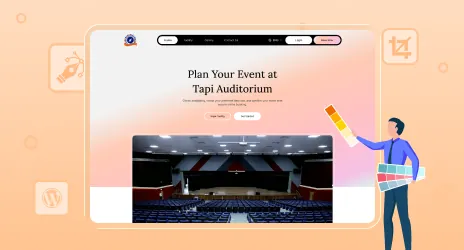
Approvals & Reviews
Automate requests, approvals, escalations, reminders, and follow-ups across teams.
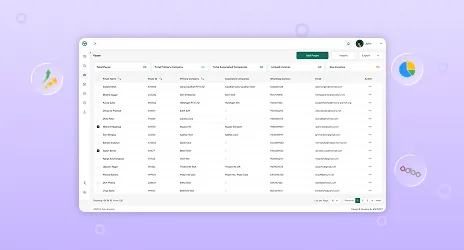
Data & Document Processing
Capture, validate, transform, and route information without repetitive manual handling.
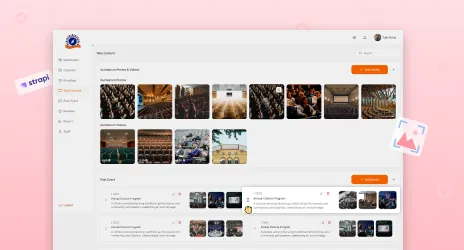
Notifications & Task Management
Automatically assign tasks, trigger notifications, and keep the right people informed at the right time.
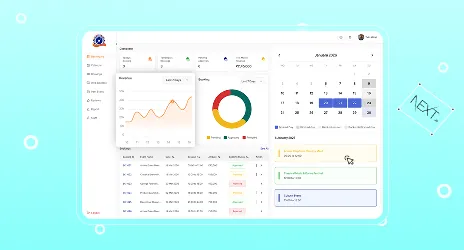
Reporting & Operations
Turn operational activity into structured data, dashboards, and actionable reports.
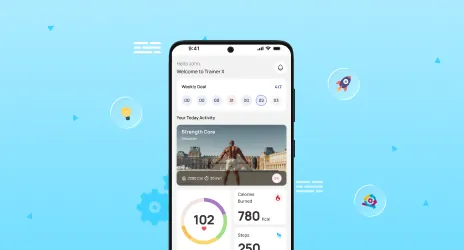
Customer & Internal Operations
Streamline onboarding, service requests, support workflows, internal operations, and other recurring processes.

System-to-System Workflows
Connect the systems a process depends on so information moves between them without unnecessary manual intervention.

Custom Business Workflows
Build automation around processes that are unique to the way your business operates.
Your Team Shouldn't Have to Work Around Your Processes
Many businesses grow around processes that were never designed to scale. Information moves between spreadsheets, emails, documents, people, and different systems.

Manual Work
Repetitive data entry and administrative tasks consume valuable team time.

Disconnected Systems
Information gets copied between tools instead of flowing automatically.

Approval Bottlenecks
Important work waits for people to review, approve, forward, or follow up.

Process Errors
Manual handling creates inconsistencies, missed steps, and avoidable mistakes.

Limited Visibility
Teams struggle to see what is happening, where work stands, and what needs attention.

Difficult to Scale
Processes that work for a small team can become inefficient as workload and business complexity grow.
From Process Problem to Working Automation
We focus on the process first, then design and build the right solution around it.
Discover & Map
Understand your current process, people, systems, pain points, and business goals.
Identify Opportunities
Find repetitive work, bottlenecks, unnecessary handoffs, and high-value automation targets.
Design the Workflow
Define the improved process, business rules, integrations, and user interactions before building.
Build & Integrate
Develop the automation and connect it with the software systems your business already uses.
Test, Launch & Measure
Validate with real scenarios, deploy to production, and monitor performance to refine over time.
Proven in Practice
Selected case studies demonstrating workflow optimization and digital process transformation.
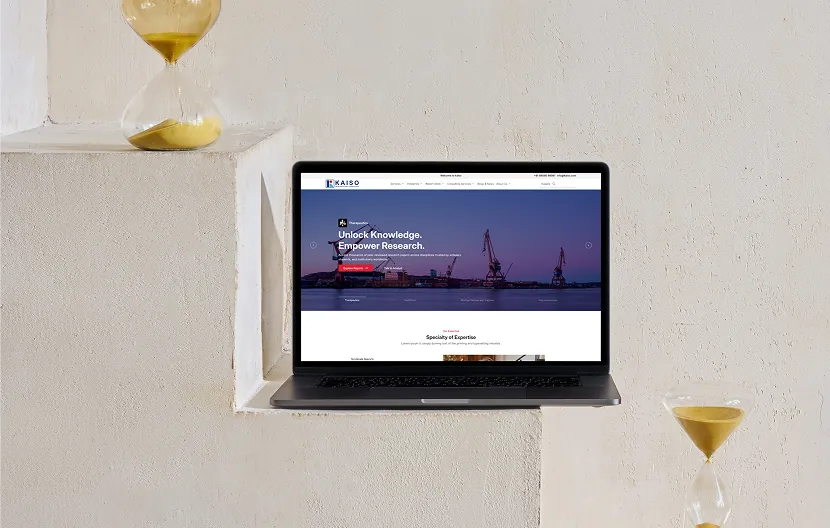
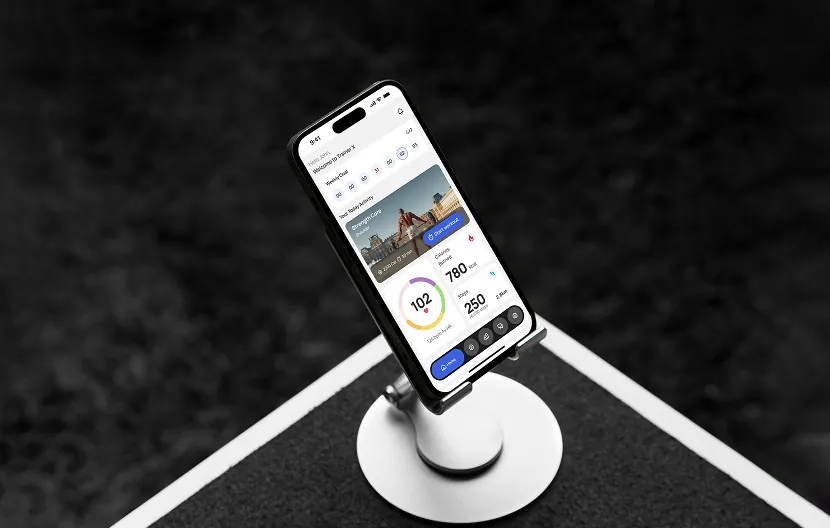
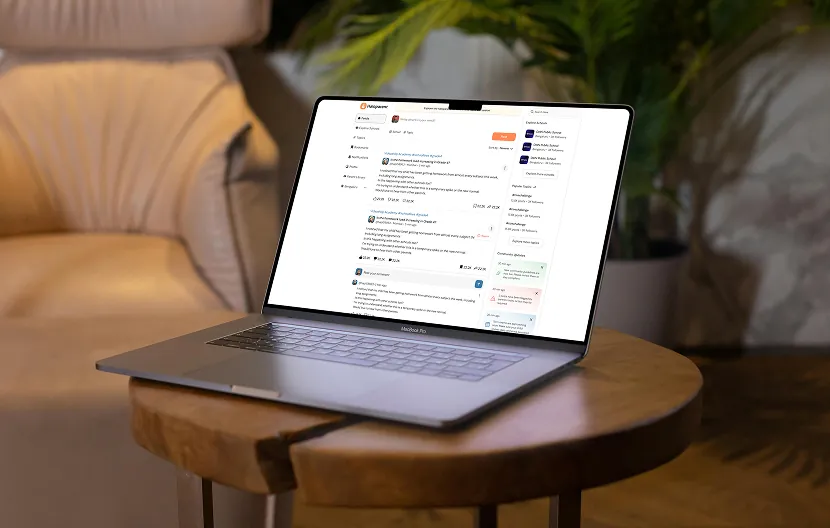
Halo Parent
Trusted parent community for structured school discussions.
What Our Clients Say
“Great experience with the team. They were professional, communicated well and completed the job exactly how I wanted.”


“Kmsoft is great in unerstanding the idea and project requirement and detail the technical flow. Kmsoft is proactive and helpful.”

“Kmsoft has good knowledge and completed the work on time.”

“Kmsoft did an excellent job! They provided timely updates and communicated regularly about requirement questions and concerns. Not only that but they fixed issues that were not part of the requirement. I'd definitely rehire kmsoft for my future projects.”

“This project involved modifying an old IOS application written in objective-c. We rewrote most of it and revised the game design. The project was completed in the timeline that I expected and the application works without any flaws. The finished design very solid. I worked with the most experienced person in the company and benefitted by a great deal of expertise at an affordable billing rate.”

Business Process Automation FAQs
Business process automation uses software and digital workflows to reduce manual, repetitive, and rule-based work. It can automate tasks, approvals, data movement, notifications, and other steps in a business process so work moves more consistently and efficiently.
Many repeatable processes can be automated, including approvals, onboarding, data entry and processing, document workflows, notifications, reporting, task assignment, customer requests, internal operations, and workflows that move information between multiple systems.
A process is often a good candidate when it is repetitive, follows predictable rules, involves frequent manual data entry or handoffs, creates delays, or requires people to perform the same steps repeatedly. We can help evaluate the process and identify where automation would provide the most value.
Yes. When systems provide suitable integration options, we can connect them so information can move automatically between applications. This can reduce duplicate data entry and make a larger end-to-end workflow more efficient.
Yes. The goal is not always to replace your existing software. Where practical, we can build automation around the tools your business already uses and introduce custom software or integrations where additional functionality is needed.
Not necessarily. Many automation projects can improve an existing process by connecting current systems, adding workflow logic, or introducing targeted internal tools. Replacing a system should only be considered when it is genuinely the better business decision.
The timeline depends on the complexity of the process, the number of systems involved, integration requirements, and the scope of the automation. A focused workflow can be relatively straightforward, while a larger end-to-end operational process may require more discovery, integration, testing, and rollout.
Yes. We can design and build custom workflows around your business rules, systems, users, and operational requirements rather than forcing the process into a fixed template.
Yes. AI can be incorporated when it provides practical value, such as document understanding, information extraction, classification, recommendations, or decision support. However, automation does not require AI; many processes can be improved using straightforward workflows, rules, integrations, and custom software.
Success can be measured using outcomes such as reduced manual effort, shorter processing times, fewer errors, faster approvals, improved visibility, higher throughput, or reduced operational overhead. The right measures depend on the process and the business goal.
Explore Our Other Services
A range of digital capabilities crafted to help your business grow, innovate, and succeed online.

Custom Software Development
We design and build custom software tailored around your unique business operations, workflows, and growth requirements.

AI Solutions
Practical AI applied to existing processes and products to solve real business challenges.

System Integration
Connect your existing software tools, eliminate data silos, and automate system communication.
Have a Process You Want to Improve?
Tell us how the process works today. We'll help you identify where automation can reduce manual effort, improve efficiency, and create a better way of working.